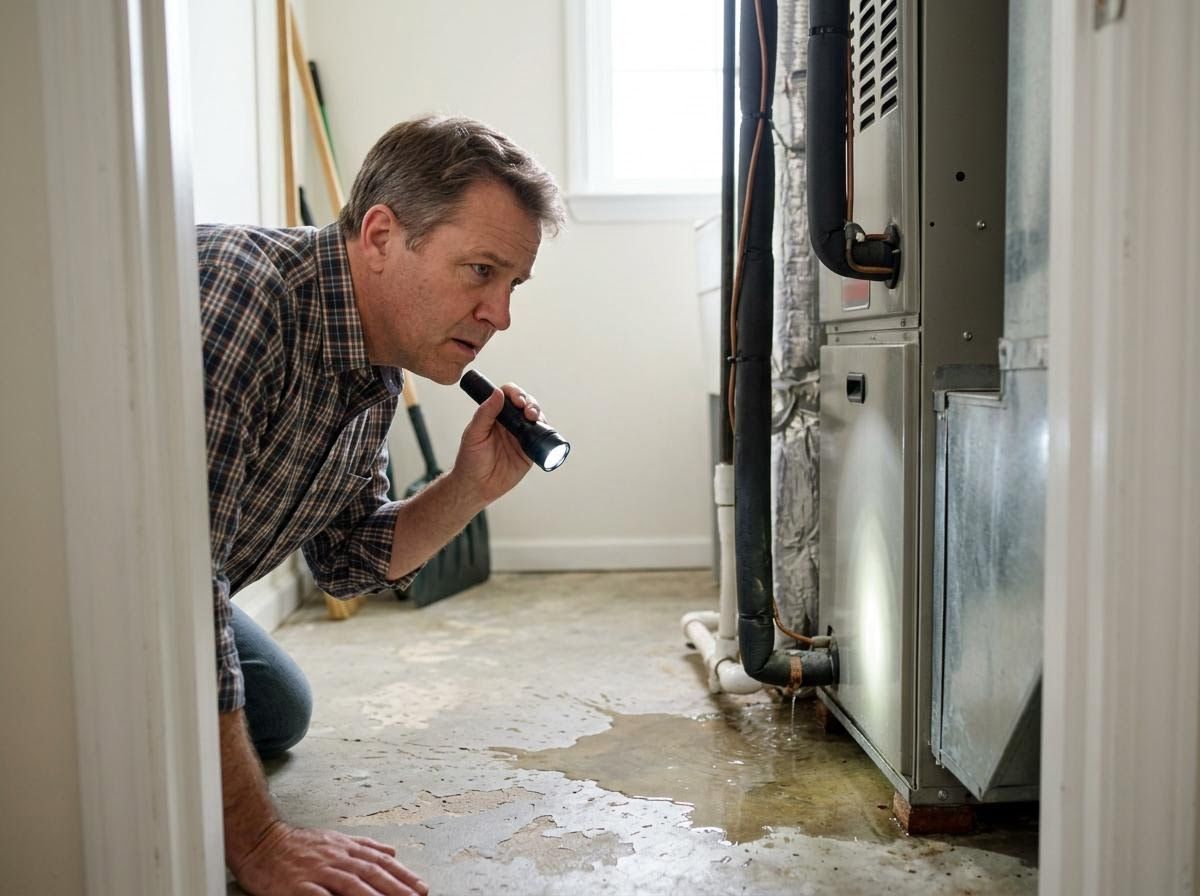
Understanding the early warning signs of an HVAC emergency can save you from significant discomfort and potentially costly damage. When your heating or cooling system malfunctions unexpectedly, knowing when to call for urgent help is crucial for the safety and comfort of your home. At Meadowview Mechanical, we believe in providing straightforward information to help Berks County homeowners keep their systems running smoothly and efficiently. This guide will outline the most common indicators that your HVAC unit needs immediate professional attention.
Complete System Failure
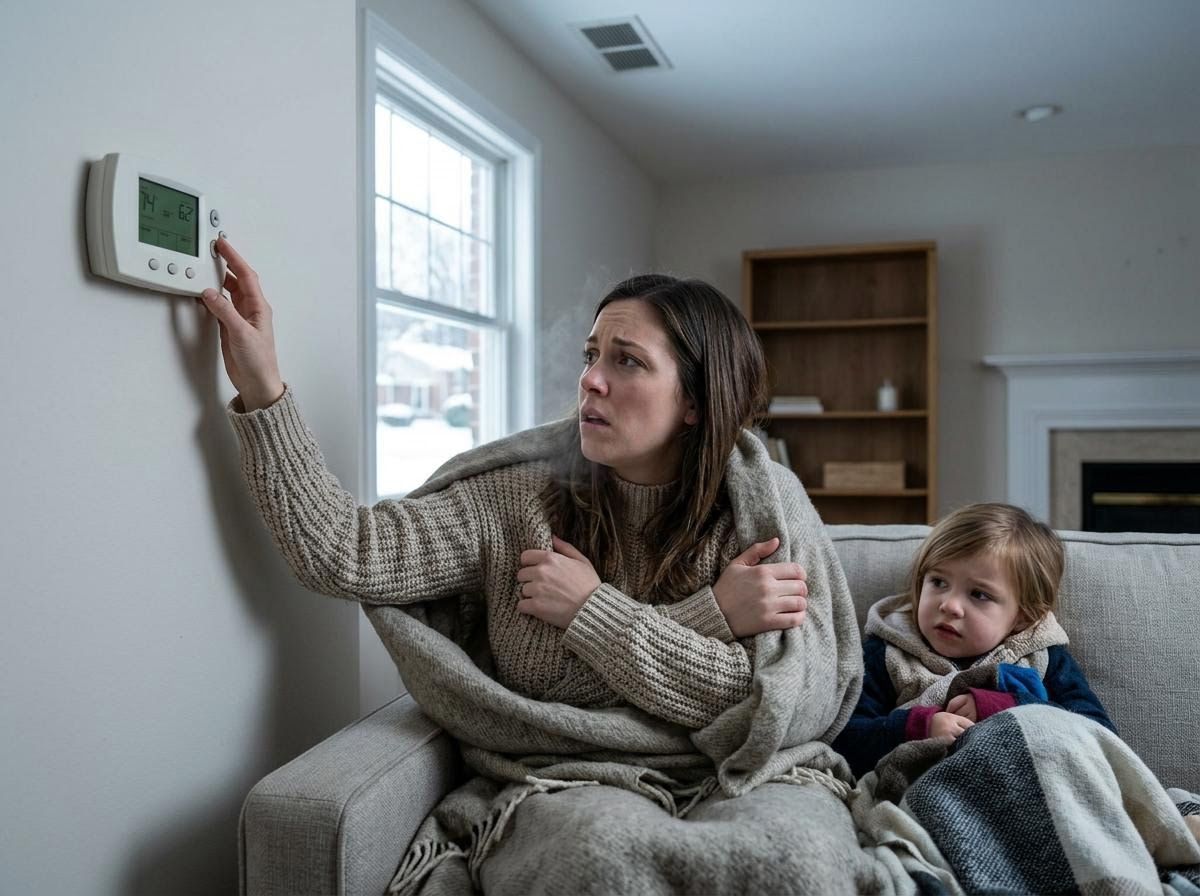
One of the most obvious and critical signs that you need emergency HVAC repair is a complete breakdown of your system, resulting in no heating or cooling whatsoever. In extreme temperatures, whether it's the middle of a Pennsylvania winter or the peak of summer, a non-functional HVAC system isn't just an inconvenience; it can pose a serious health risk, especially for the elderly, young children, or those with health conditions. If your thermostat is set correctly and the unit is receiving power but still not producing conditioned air, it's a clear signal that something significant has gone wrong and requires immediate investigation by a qualified professional.
Unusual Noises or Odors
Your HVAC system typically operates with a consistent, relatively quiet hum. Any sudden, loud, or strange noises should be taken seriously. Sounds like grinding, banging, squealing, or persistent rattling can indicate loose parts, a failing motor, or other mechanical issues that could worsen quickly if not addressed. Similarly, unusual odors emanating from your vents or unit are a red flag. A burning smell might suggest electrical problems or an overheated motor, while a sulfur-like smell could signal a gas leak (requiring immediate evacuation and professional help). Musty or damp smells could point to mold growth within the system, impacting your indoor air quality.
Leaks and Excessive Moisture
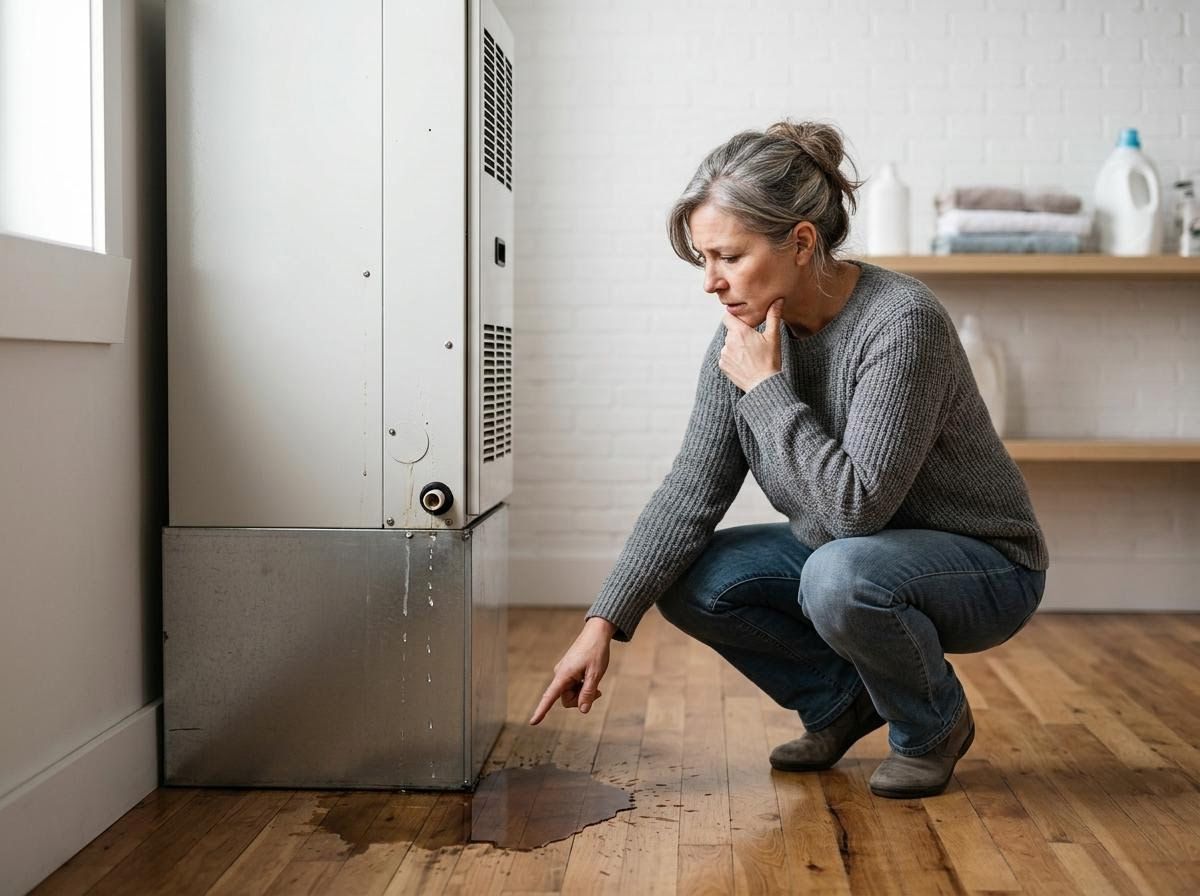
Finding puddles of water around your indoor or outdoor HVAC unit is never a good sign. While some condensation is normal, excessive water accumulation could point to a clogged condensate drain line, a frozen evaporator coil, or even a refrigerant leak. Refrigerant leaks are particularly concerning; not only do they diminish your system's ability to heat or cool effectively, but prolonged exposure can also be harmful. Water leaks can also lead to significant property damage, including compromised ceilings, floors, and electrical hazards. Addressing these leaks promptly is essential to prevent further damage and ensure your home's safety.
Frequent Cycling or Significant Performance Drop
If your HVAC system is constantly turning on and off (short cycling) or struggling to maintain your desired temperature, it's a strong indicator of an underlying problem that demands attention. Short cycling can be due to an oversized unit, a dirty air filter, or even a refrigerant leak, and it puts immense strain on your system, leading to premature wear and higher energy bills. Similarly, if your home isn't getting as warm or cool as it used to, or if certain rooms are noticeably colder or hotter than others, it signifies a serious efficiency issue. Ignoring these signs can lead to a complete breakdown and more expensive repairs down the line.
Recognizing these common signs of HVAC distress is key to protecting your home and ensuring your family's comfort. Prompt action can prevent minor issues from escalating into major emergencies, saving you time, stress, and money. If you're experiencing any of these urgent issues, understanding the cause is the first step to a reliable solution. To learn more about common HVAC problems and how professional service can restore your home's comfort, explore the detailed information and troubleshooting guides available on Meadowview Mechanical's website.